


With the introduction of the first 4G network in Africa and the construction of the game-changing South Atlantic Cable System (SACS), Angola is at the heart of the telecommunications revolution on the continent.
With the introduction of the first 4G network in Africa and the construction of the game-changing South Atlantic Cable System (SACS), Angola is at the heart of the telecommunications revolution on the continent.
If Africa is a continent of contrasts, nowhere are they as stark as in Angola.
If Africa is a continent of contrasts, nowhere are they as stark as in Angola.
From independence in 1975 until the present, the Angolan economy has been dominated by the influence of oil production and exports, which have accounted for 60% of GDP, particularly in the most intense years of the civil war, when agriculture, trade, transport, construction and manufacturing were almost nonexistent.
From independence in 1975 until the present, the Angolan economy has been dominated by the influence of oil production and exports, which have accounted for 60% of GDP, particularly in the most intense years of the civil war, when agriculture, trade, transport, construction and manufacturing were almost nonexistent.
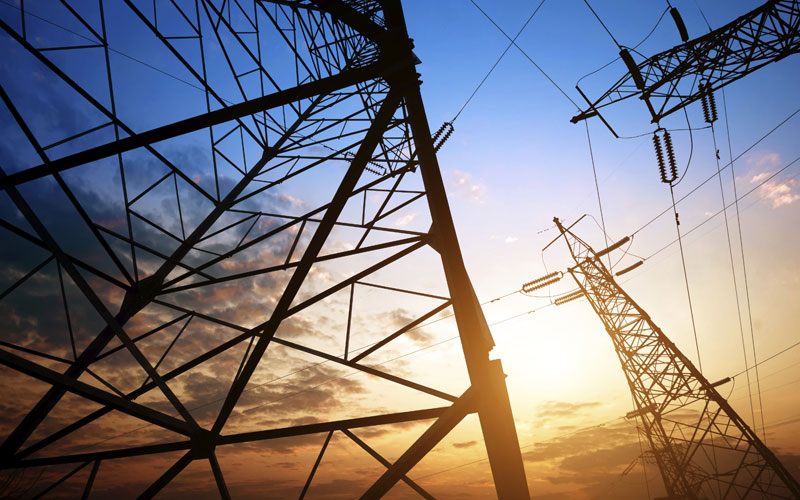
The reform and privatization of the power sector means foreign investors “can reap substantial benefits,” says the Minister of Power Chinedu Nebo
The reform and privatization of the power sector means foreign investors “can reap substantial benefits,” says the Minister of Power Chinedu Nebo
Like other oil-rich nations, Angola has long neglected its farm sector, to such a degree that 90 percent of the food the country consumes is imported. Matters were made worse by the civil war, which left a legacy of damaged infrastructure and land mines scattered across the countryside. The farm sector is now undergoing a rebirth, thanks to public-private partnerships and cutting-edge technology.
Like other oil-rich nations, Angola has long neglected its farm sector, to such a degree that 90 percent of the food the country consumes is imported. Matters were made worse by the civil war, which left a legacy of damaged infrastructure and land mines scattered across the countryside. The farm sector is now undergoing a rebirth, thanks to public-private partnerships and cutting-edge technology.
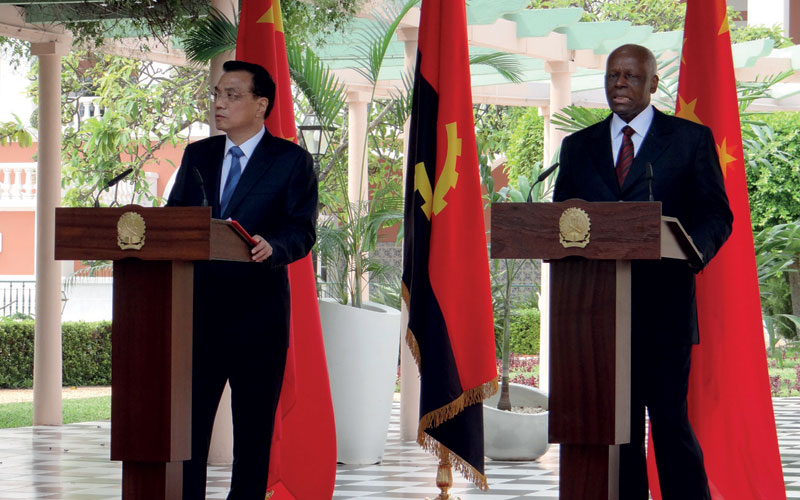
Chinese companies, bankrolled by a generous program of government financing, have made great inroads in Angola, which China values as a source of oil and a market for its export goods. More than 500 companies and 100,000 workers bear witness to China’s growing influence in Angola. However, their business and labor practices have often made for an uneasy friendship.
Chinese companies, bankrolled by a generous program of government financing, have made great inroads in Angola, which China values as a source of oil and a market for its export goods. More than 500 companies and 100,000 workers bear witness to China’s growing influence in Angola. However, their business and labor practices have often made for an uneasy friendship.
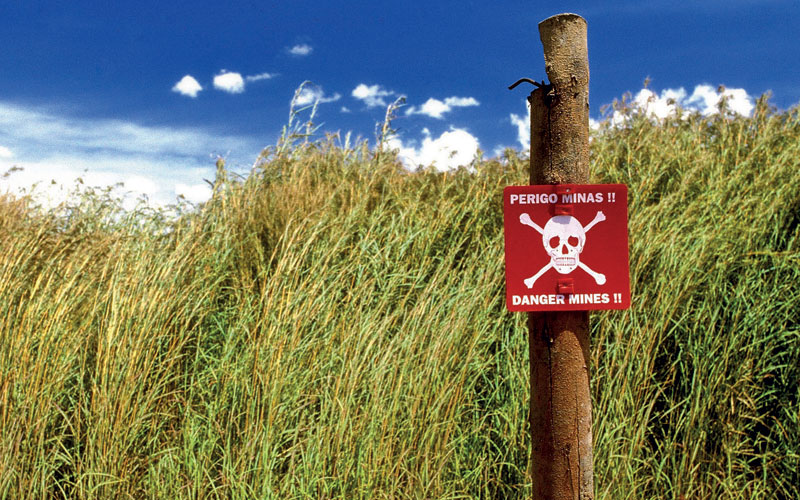
Four decades of conflict left Angola with the unenviable title of the most land-mined country in the world. The government, aided by international organizations, has been working to remove this threat which, apart from having tragic consequences for individuals, has also been an obstacle to economic development.
Four decades of conflict left Angola with the unenviable title of the most land-mined country in the world. The government, aided by international organizations, has been working to remove this threat which, apart from having tragic consequences for individuals, has also been an obstacle to economic development.
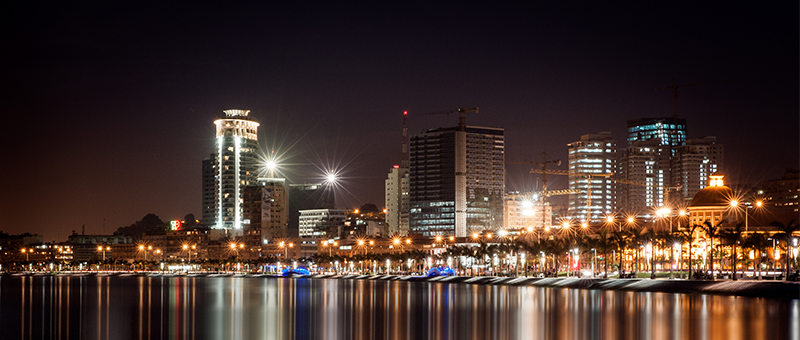
Like many other industries, tourism in Angola was stunted by the damages inflicted by the civil war. Today, the tourist numbers are increasing as travelers from home and abroad discover the country’s wide-ranging treasures: miles of pristine beaches, national parks that have been restored and stocked with wildlife and an elegant city nightlife are just some of its attractions.
Like many other industries, tourism in Angola was stunted by the damages inflicted by the civil war. Today, the tourist numbers are increasing as travelers from home and abroad discover the country’s wide-ranging treasures: miles of pristine beaches, national parks that have been restored and stocked with wildlife and an elegant city nightlife are just some of its attractions.
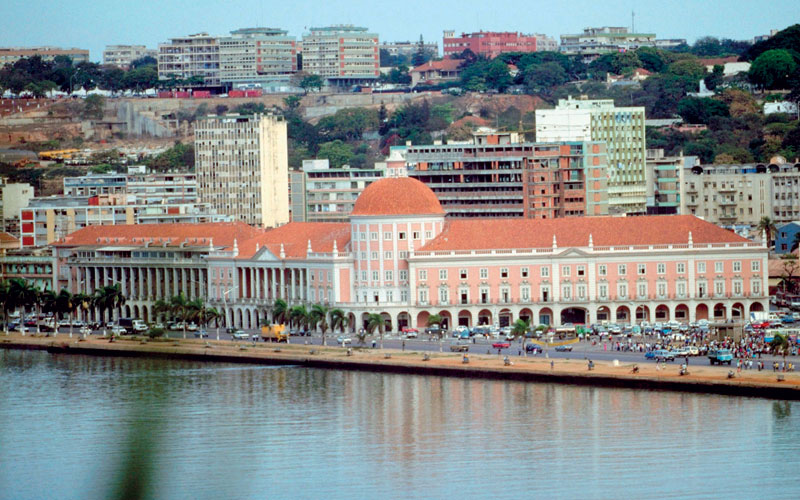
Following a long period of conflict, Angola today has emerged as an oil-rich country with one of the fast-growing economies in the world. But the former Portuguese colony is much more than that: its rich and lively culture reflects the influences of the rest of Africa, as well as Portugal and Brazil.
Following a long period of conflict, Angola today has emerged as an oil-rich country with one of the fast-growing economies in the world. But the former Portuguese colony is much more than that: its rich and lively culture reflects the influences of the rest of Africa, as well as Portugal and Brazil.
Angola may well be one of the most musical countries in Africa. Over the centuries, Angolans have combined their own music and dance traditions with influences from Europe and, most notably, Brazil. Today, Angola has begun exporting its musical and dance styles, as evidenced by the popularity of kizomba in clubs and dance halls from Lisbon to Los Angeles.
Angola may well be one of the most musical countries in Africa. Over the centuries, Angolans have combined their own music and dance traditions with influences from Europe and, most notably, Brazil. Today, Angola has begun exporting its musical and dance styles, as evidenced by the popularity of kizomba in clubs and dance halls from Lisbon to Los Angeles.